Stop, Question, and Frisk in New York City
Data is loading.
What is Stop, Question, and Frisk?
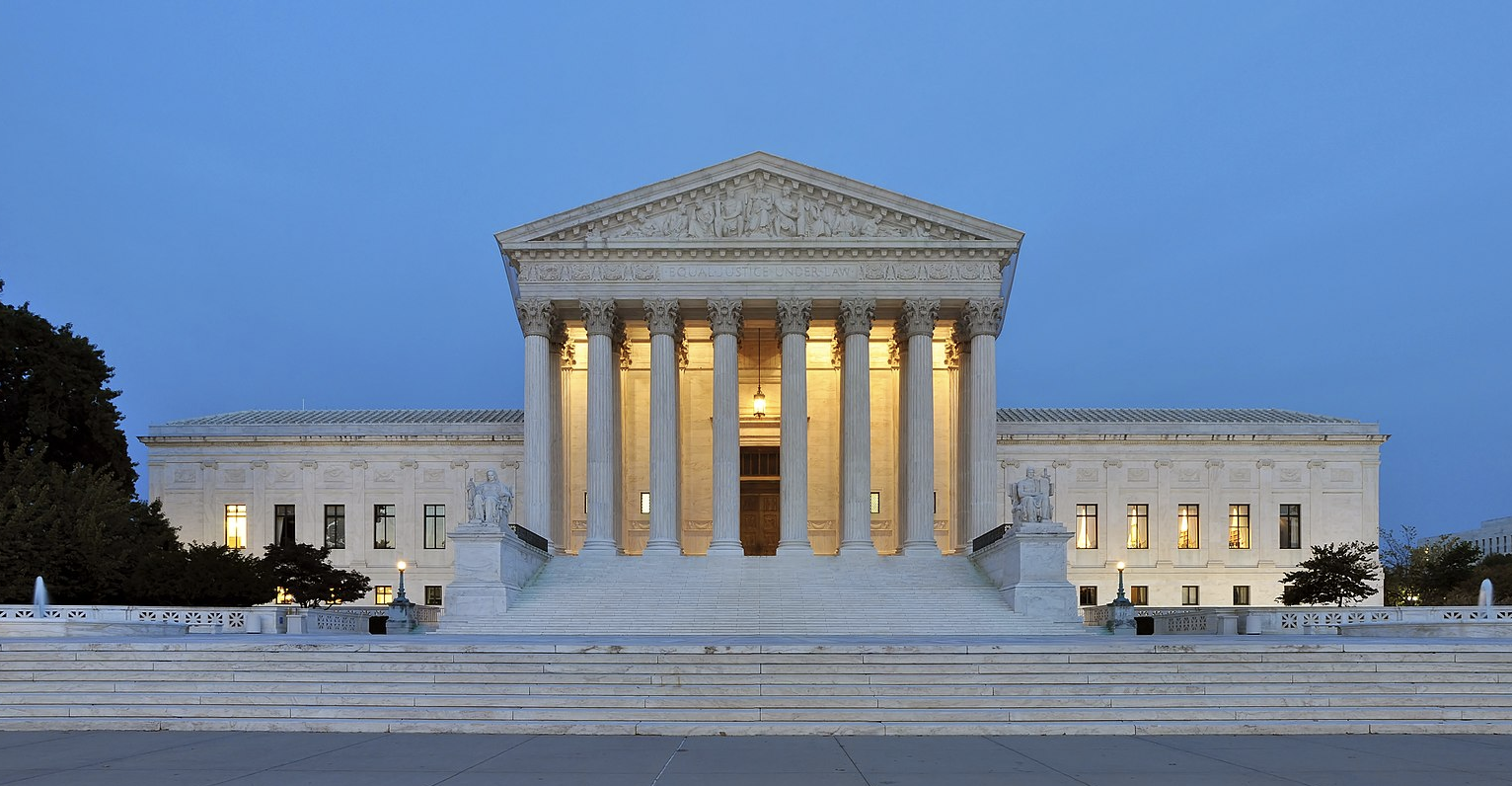
Stop, Question, and Frisk, also known by Stop and Frisk, is the police practice of stopping those suspected of having committed, are currently committing, or are about to commit a crime. Several things can happen for the duration of a stop like some questioning, a light frisk on the outside of the body, a full on search of the person and their belongings, and an ultimate arrest. The predecessor to stop and frisk was the 1968 Supreme Court Case Terry v. Ohio, which ruled that police officers do not need probable cause, but only reasonable suspicion to stop and question individuals. However, the introduction of CompStat in the 1990s, which was used to essentially “predict” where crime was most likely to occur, changed the typically 'terry' stop. Whereas before, police were required to let go people they had stopped with no subsequent search if further questioning did not raise levels of suspicion, the new norm was to stop, question, frisk, and search potential criminals under a police officers’ discretion.
How Did Crime Rates Change Since the Start of the Stop and Frisk Era?
From 2003-2016, the New York Police Department (NYPD) utilized
stop and frisks in an attempt to decrease the crime rates of the seven major felonies:
murder and non-negligible manslaughter, rape, robbery, felony assault, burglary,
grand larceny (theft of personal property), and grand larceny of motor vehicle.
Proponents pointed to the overall trend in crime rates as evidence to continue the Stop and Frisk program.
Thus, interact with the slider below and hover over the white dots to see for yourself how crime rates have changed since 2003,
the start of the stop and frisk era.
Time
Percent Change Since 2003
Bloomberg Takes Stop and Frisk to Unprecedented Levels
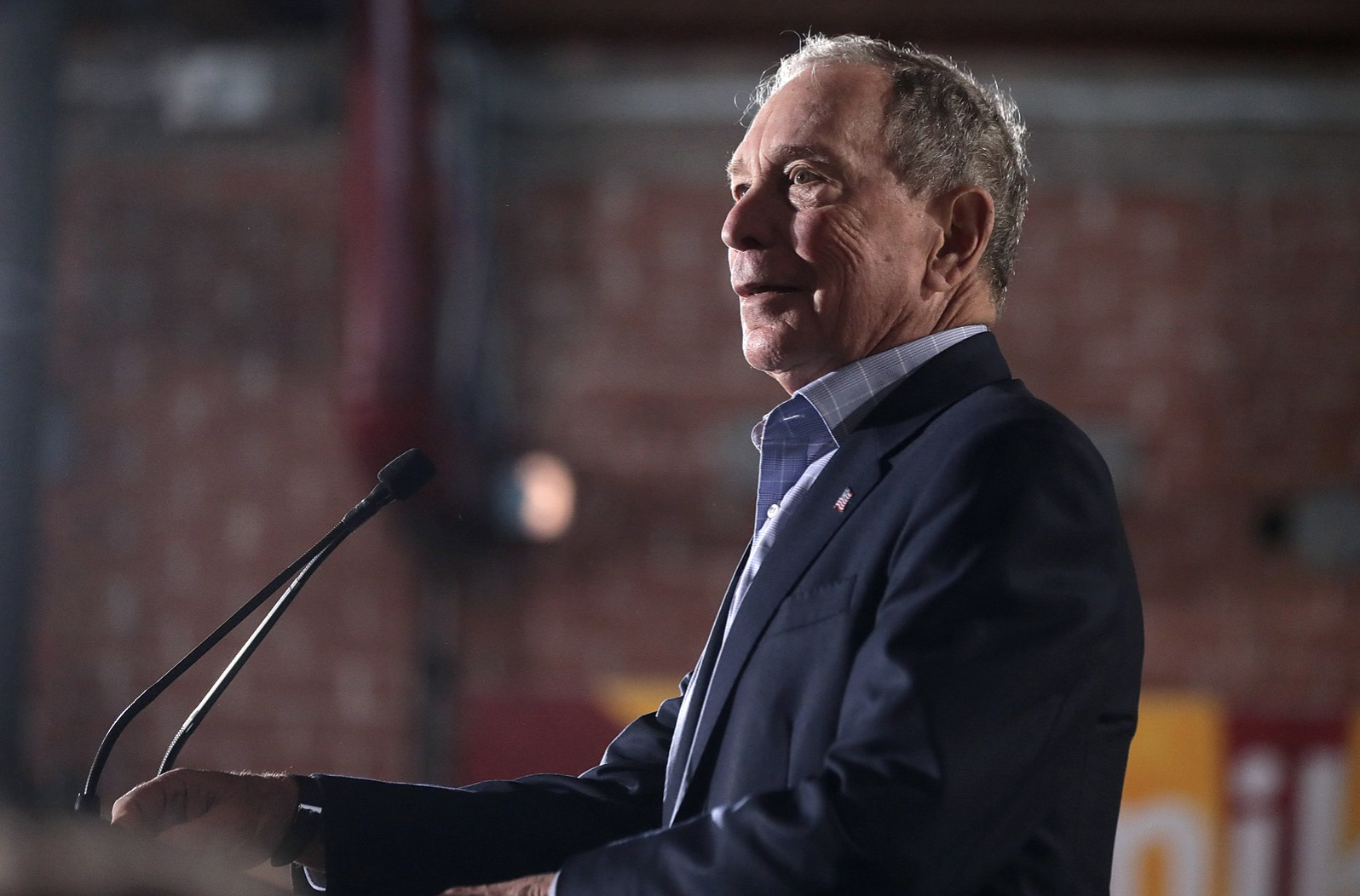
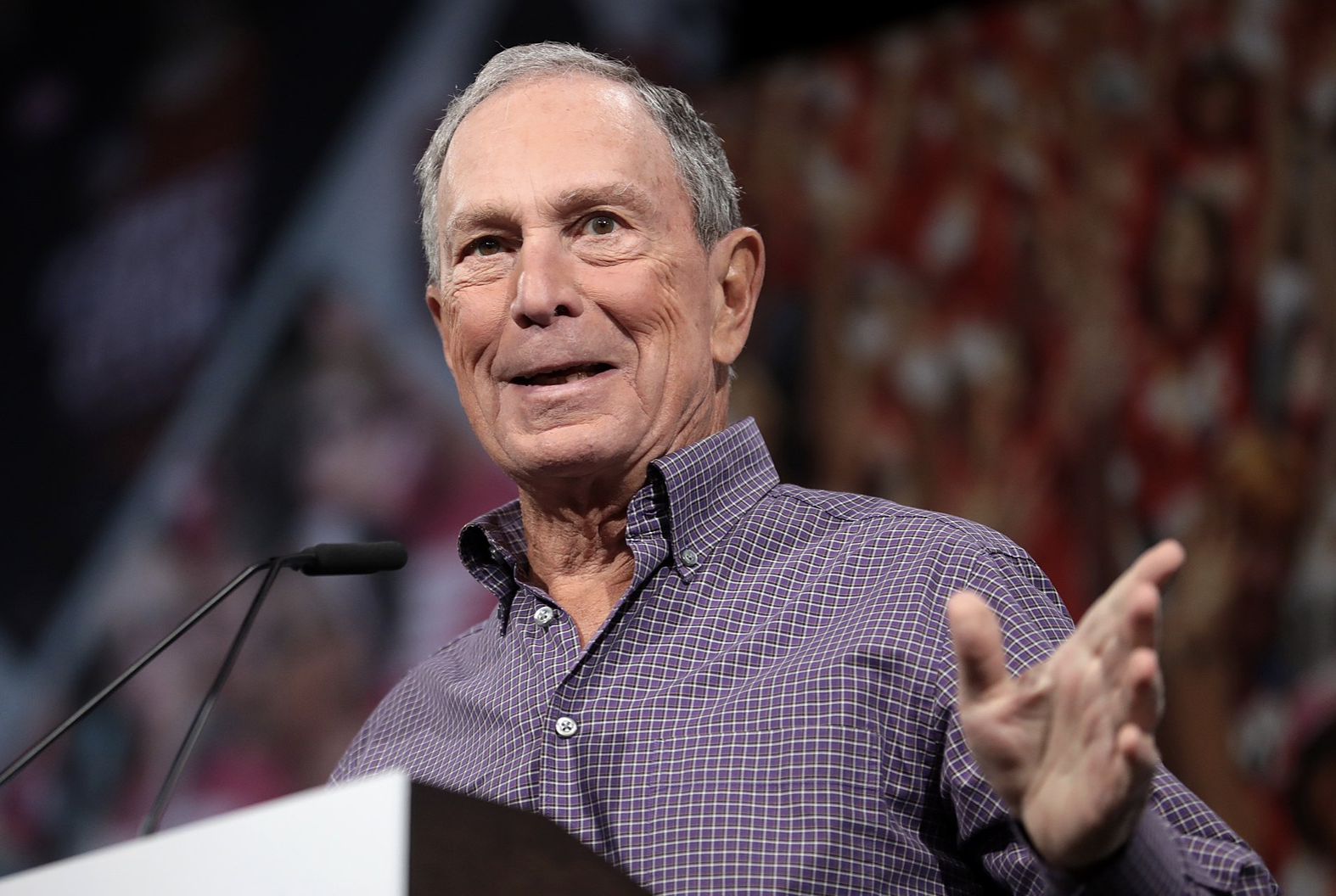
The 1999 killing of 23-year-old unarmed Black man, Amadou Diallo, raised questions and concerns regarding stop and frisk in relation to racial profiling. This resulted in the requirement that police officers record information about their stops including things like race, gender, and age. Though Michael Bloomberg did not create stop and frisk, when he became the mayor of New York City in 2002, stop and frisk numbers soared. As mayor, he became a major advocate of stop and frisk, dismissed concerns regarding racial profiling, and believed that the practices led to decreased crime rates. His claims regarding crime remain disputed to this day, as other sources have noted that crime decreased before stop and frisk was implemented, and after it was cut back.
Where were these stops occurring? How frequently?
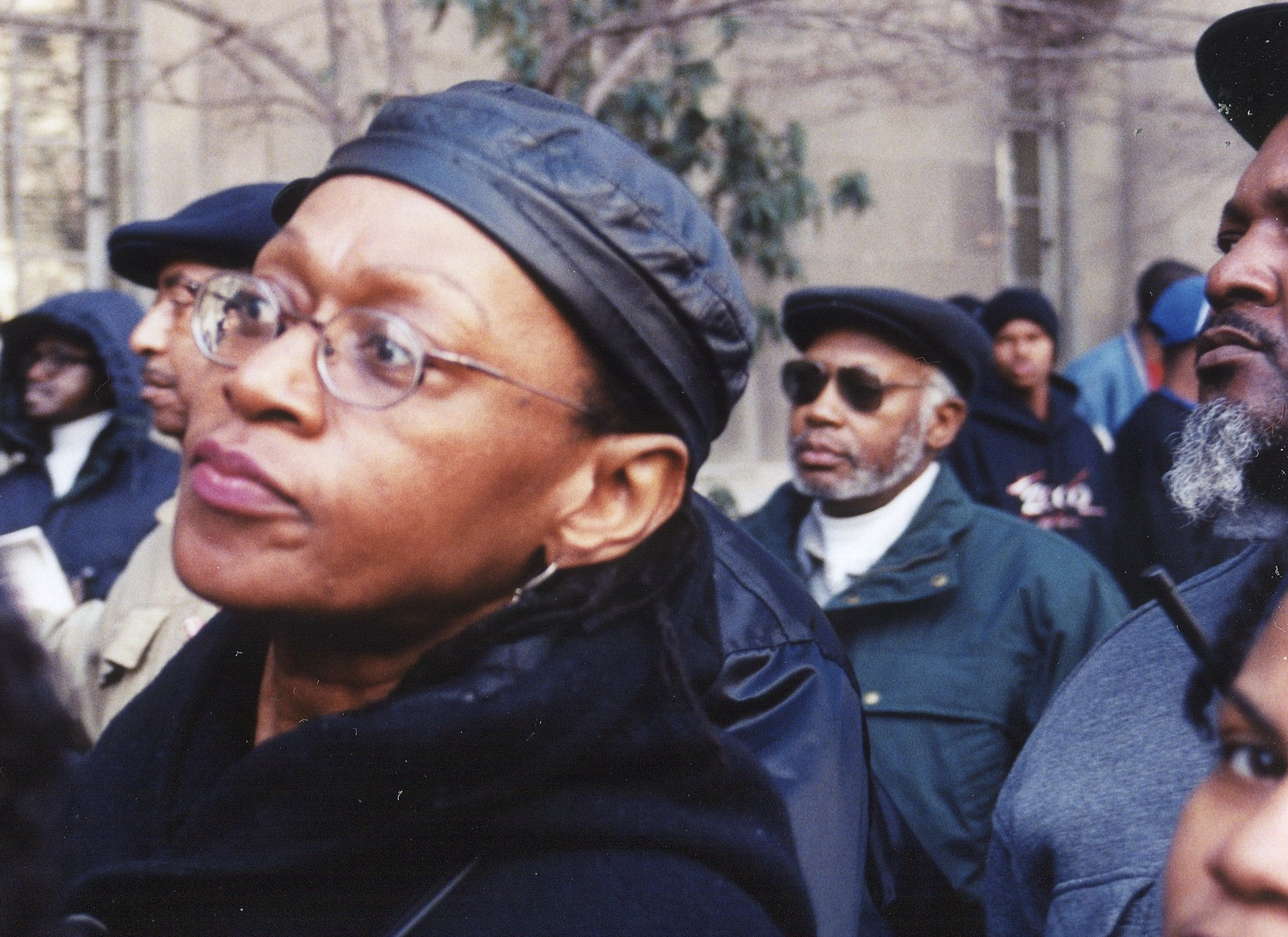
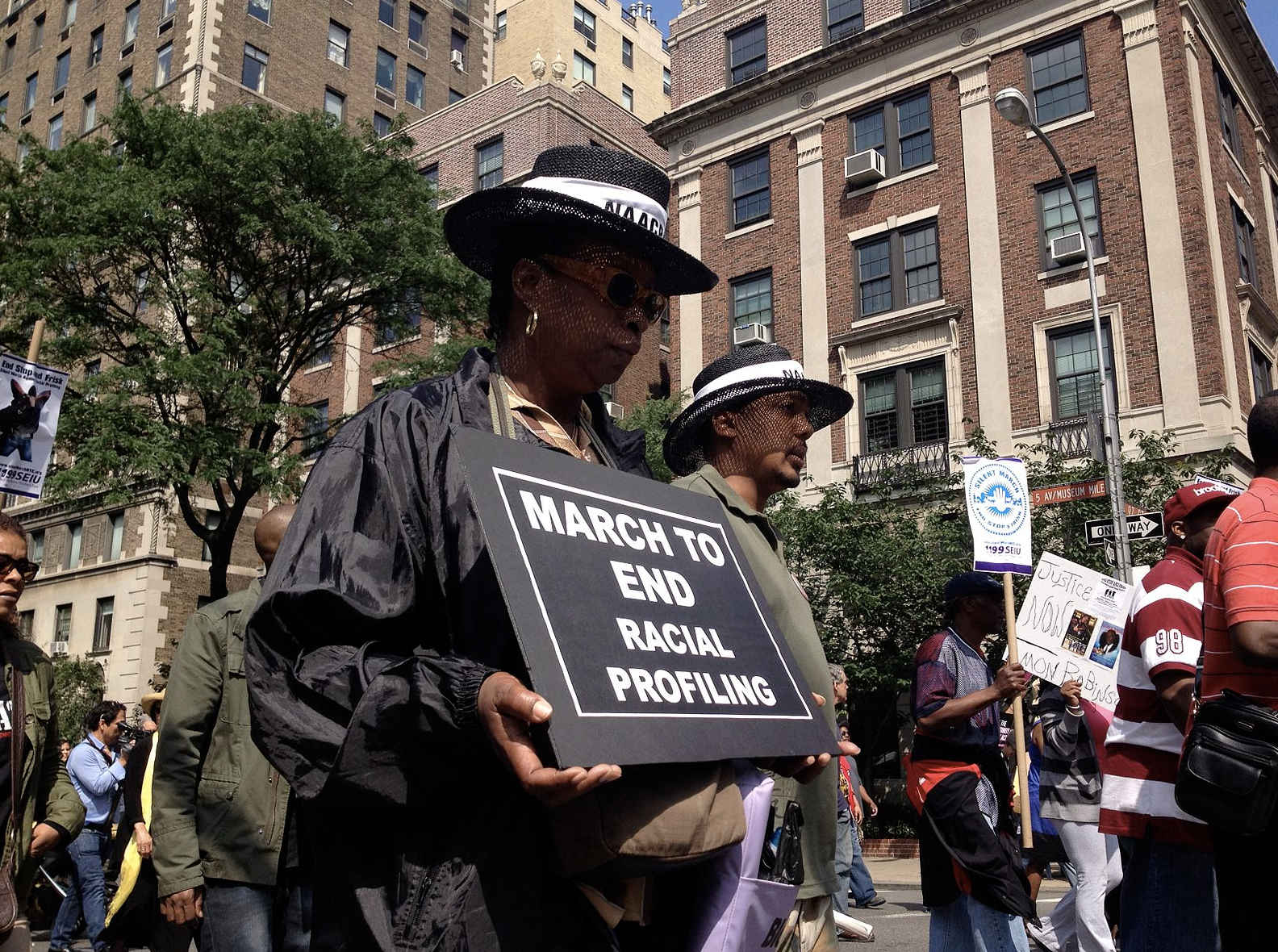
There were over 5 million stops between 2003 and 2016, peeking in 2011. After 2011 there is a drastic decrease in the number of stops after the practice was ruled unconstitutional in 2012. Hover over the timeline to see the number of stops per year. Click on a precinct or use the select box below to show that precinct's timeline of stops and understand the differences in the amount of stops conducted between precincts.
Total demographic vs. the demographic of Stop and Frisk stops
In addition to affecting more leaving certain demographics relatively unaffected, Stop and Frisk disproportionately affected certain races and ethnicities. Click on the buttons below to explore how the race of those stopped compare to the race in an entire borough. If the selected demographic's stop percentage is greater than its population percentage, the text and bubbles will be highlighted in red.
*The New York Census does not distinguish between different races within the "Hispanic" population (i.e. Black-Hispanic or White-Hispanic).
Who was targeted?
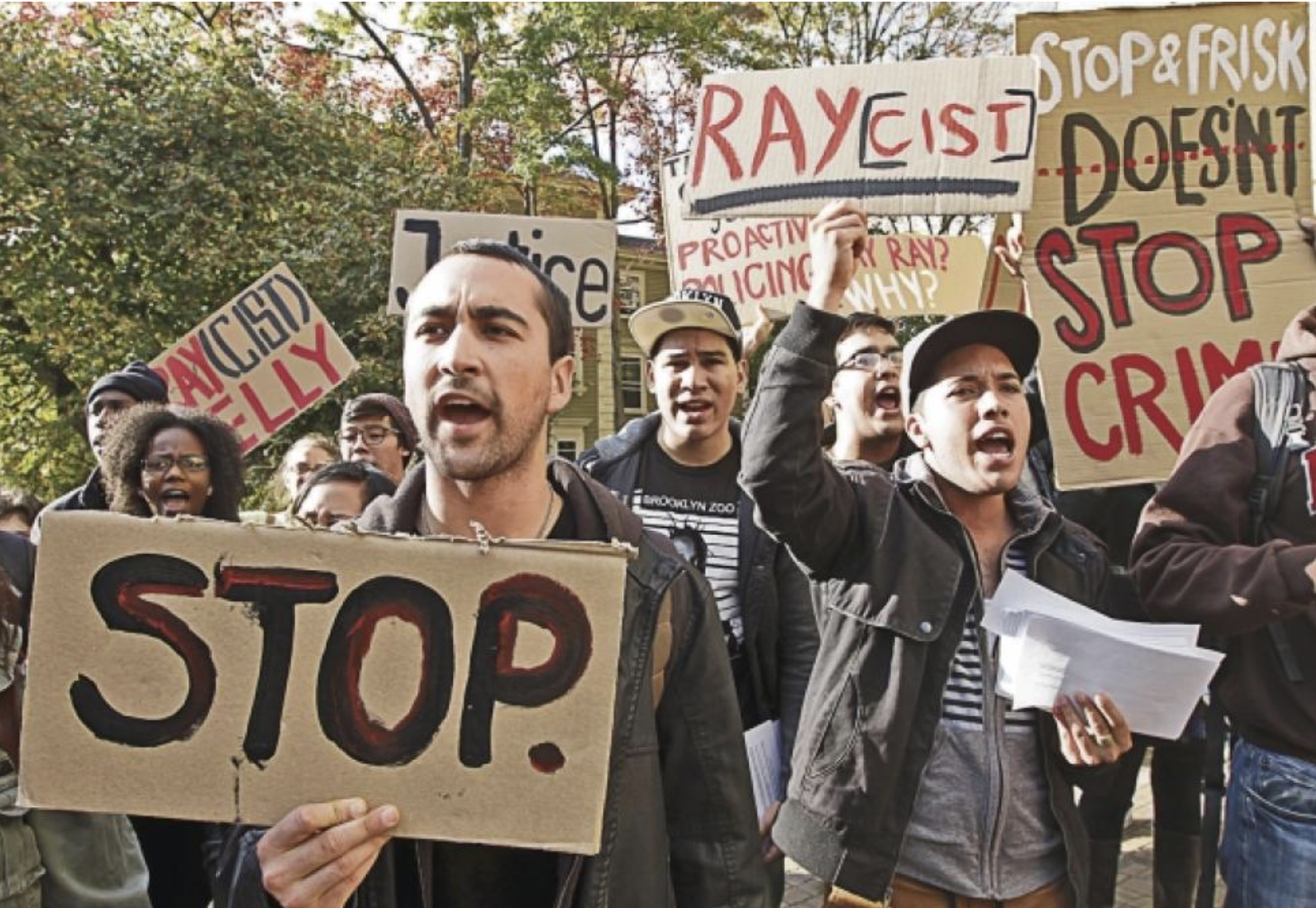
Though the 'intention' of stop and frisk was to find criminals, stop and frisk seemed to target particular demographics while leaving other demographics relatively unaffected. Of the over 5 million stops between 2003 and 2016, let these 1000 dots be representative of all of the stops. Click the buttons on the right to see how these 1000 dots are distributed based on a particular statistic.
In 2010, Officer Adrian Schoolcraft released secretly taped recordings of meetings and interactions between officers in the 81st Precinct. The 81st Precinct is located in Bedford-Stuyvesant, a Brooklyn neighborhood that is historically Black. Here are some quotes that stand out.
"[Your] not working in Midtown Manhattan where people are walking around smiling and happy. You’re working in Bed-Stuy where everyone’s probably got a warrant.
- Lieutenant Jean Delafuente, November 1, 2008
Tonight is zero tolerance. It’s New Years Eve all over again. Everybody goes. I don’t care . . . They’re throwing dice? They all go, promote gambling. I don’t care. Let the DA discuss what they’re going to do tomorrow . . . They got [bandanas] on and they’re running like nuts down the block, chasing people? Grab them. Fuck it. You’re preventing a robbery . . . You know that and I know that.
- Deputy Inspector Steven Mauriello, October 31, 2008
All right, I went out there [to Howard and Chauncey] yesterday and . . . we’ve got the old man out there with the grey hairs. A loud mouth. He thinks since he’s 55 years old he’s not going to get locked up. Well, guess what? I don’t tolerate shit out there. He went in and two of his pals went in. All right? So we’ve got to keep the corner clear . . . Because if you get too big of a crowd there, you know, . . . they’re going to think that they own the block. We own the block. They don’t own the block, all right? They might live there but we own the block. All right? We own the streets here. You tell them what to do.
- Lieutenant Jean Delafuente, November 8, 2008
“If they’re on a corner, make them move. They don’t want to move, you lock them up. Done deal. You can always articulate later.”
- Sergeant Raymond Stukes, November 23, 2008
Listen to the words of Kasiem Walters of Flatbush, Brooklyn, who by the time he was a high school senior, had been stopped by police 7 times.
"The thing that changed for me first is the way I looked at police. I couldn't look at them the same. Um, I remember, I mean it was bad to a point where I got robbed I didn't call the police. They scare you, you know. So they instill this fear in you and then it forces you to have this mindset that you are a criminal."
Listen to the words of Adhyl Polanco, a police officer who grew up in Washington Heights, Manhattan. He, himself has been stopped by police even after he joined the force.
"We would stop a person in the street at the corner because the sergeant said stop. Why? You don’t ask. You stop him, you frisk him, if it’s possible you search him. And these kids, sometimes they’re just walking home from school, they’re just walking to the store, they’re not doing absolutely anything."
How do you compare to Stop and Frisk demographics?
The 100 squares to the right represent all of the stops from 2003 to 2016. Enter a description to see how someone would compare to the total amount of Stop and Frisk stops.
Stop and Frisk: The Aftermath
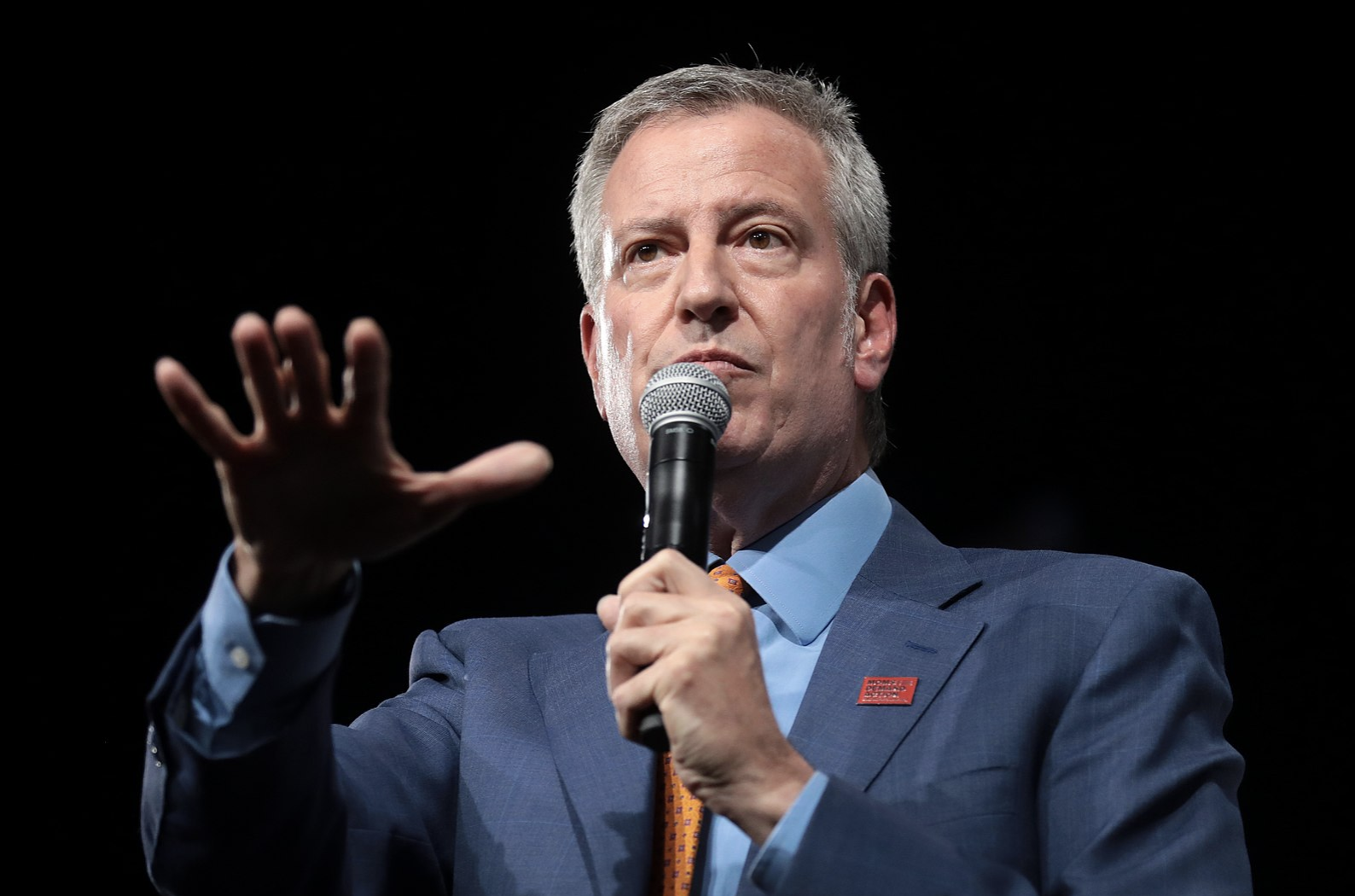
Stop and Frisk peaked in 2011, closing in on almost 700,000 stops that year alone. In 2013, a federal judge ruled in the case of Floyd v. City of New York that stop and frisk was unconstitutional and that it violated the 4th amendment, the 14th amendment, and Section VI of the Civil Rights Act. Bloomberg left office and Bill de Blasio assumed his position as mayor 2014. Though during his time in office, Stop and Frisk numbers dramatically plummeted, many believe that racial disparities in New York City policing remain. Though the height of stop and frisk is in the past, it leaves a legacy that will be very hard to break from. Its effect on crime is at best debatable, and at its worst ineffective. What is undebatable, however, is its effect on young men of color. To quote a New York Times Article:
“We now know that students heavily exposed to stop-and-frisk were more likely to struggle in school, that young men were more likely to experience symptoms of anxiety and depression, that this exposure fostered cynicism in policing and government writ large, and that it made residents more likely to retreat from civic life.”
About Us

Nwanneka Okolo
Miah Caine

Sang-O Park
To learn more about our project:
- View our Github
- Read our process book
- Watch our screencast
References
Data Sources
- Stop, Question, and Frisk stop data: Publications, Reports - NYPD
- Yearly Arrests Data: Crime Stats - Historical - NYPD
- Precinct geoJSON Data: NYC Open Data: Police Precincts
- New York State Census Data: New York State Population Data: Beginning 2003